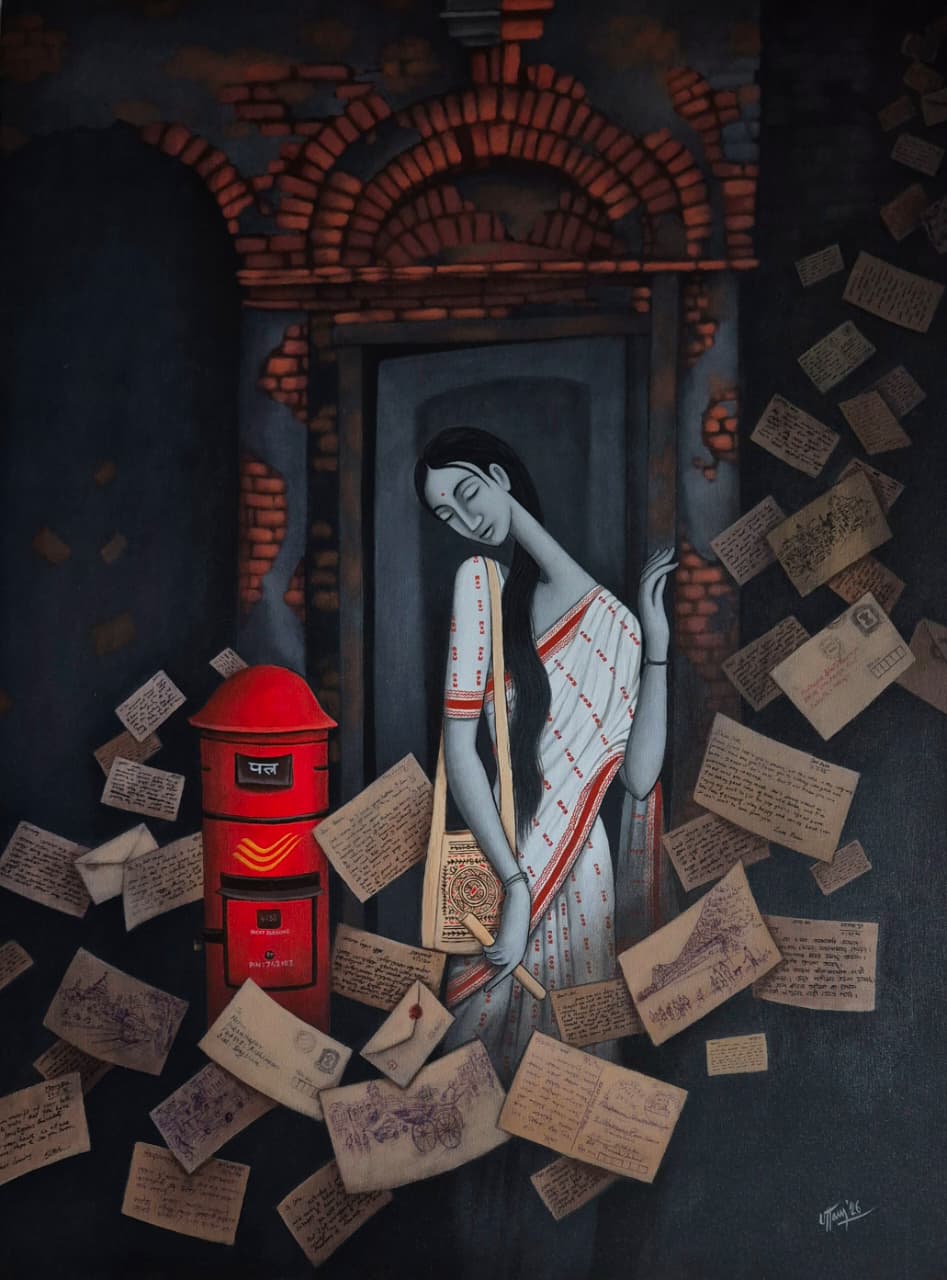

Purchasing your first piece of art is a thrilling milestone. Whether you want to elevate your living room, add character to an office, or take the first step toward building a personal collection, the right artwork can transform a space and spark a lifelong connection to creativity. However, buying art online requires looking beyond how well a digital image matches your current interior design.
With countless artists, styles, mediums, and digital platforms to choose from, first-time buyers often struggle to figure out what makes a piece worth the investment. Questions about authenticity, pricing, quality, and long-term value can make the process feel overwhelming—especially since you cannot physically examine the artwork before checking out.
The good news is that you do not need years of specialized experience to become a confident art collector. By understanding a few foundational principles, you can make informed decisions and find pieces that align perfectly with your taste, space, and budget.
Here are the essential factors every first-time collector should know before purchasing artwork online.
1. Recognize the Difference Between Original Paintings and Prints
A crucial first step in online art buying is distinguishing between an original piece and a reproduction. While both can look beautiful on a wall, they differ significantly in their creation, uniqueness, and value to a collector.
- Original Paintings: These are one-of-a-kind pieces created directly by an artist using mediums like oil, acrylic, watercolor, or mixed media. They feature distinctive brushstrokes, textures, and layering that highlight the artist’s unique physical process.
- Art Prints: These are high-quality reproductions of an existing artwork, generated using digital, screen-printing, or other mechanical techniques. Prints can be mass-produced or released as limited editions that are hand-signed and numbered by the artist.
Neither choice is inherently better than the other; the right option depends entirely on your personal goals and budget.
If you want a unique statement piece with a direct, tangible connection to the artist's creative journey, an original painting is ideal. If you are looking for an affordable way to bring beautiful imagery into your home, a premium print is an excellent alternative. Always read the product description carefully before buying. A transparent, trustworthy online gallery should explicitly detail the medium, precise dimensions, edition details, and whether the piece is an original or a reproduction.
2. Verify Artist Credibility and Artwork Authenticity
Because you cannot inspect a painting in person or speak face-to-face with the creator online, verifying authenticity and seller credibility is paramount. An attractive digital image alone does not prove an artwork's legitimacy.
Start by researching the artist’s background. Look into their professional portfolio, education, past exhibitions, and overall presence in the art community to better understand their practice.
Next, check for supporting documentation provided by the seller, which may include:
- Certificate of Authenticity (COA): A signed document verifying the artwork's details and origin, ideally issued by the artist or an authorized representative.
- Artist Info: Insights into the inspiration, style, and techniques behind the creator's practice.
- Detailed Specifications: Clear listings of the title, year of creation, dimensions, and exact mediums used.
- Provenance Records: A documented history of the item's past ownership, which is especially important for older or secondary-market pieces.
While a Certificate of Authenticity offers great peace of mind, remember to evaluate the credibility of the issuer as well. No single document automatically guarantees authenticity in every circumstance.
Additionally, review the platform's operational policies before entering your payment details. Ensure they offer secure checkout options, transparent pricing, clear contact details, and fair terms regarding shipping, returns, and transit damage. Platforms like Zigguratss prioritize this transparency by directly connecting collectors with verified artists and providing official Certificates of Authenticity for original works, making the buying experience straightforward for newcomers.
3. Balance Personal Taste, Space Constraints, and Budget
Discovering the perfect artwork isn't about buying the most expensive option or chasing fleeting interior design trends. Art is deeply personal. The right piece should resonate with you emotionally while seamlessly fitting into your physical environment.
Identify the Style You Connect With
Take time to explore diverse artistic movements. Abstract art can introduce bold colour, movement, and visual interest into a room. Landscapes often create a sense of openness and serenity, while figurative art and portraits bring narrative depth and human personality. If you appreciate cultural heritage and time-tested techniques, traditional or folk art may speak to you. Rest assured, you do not have to limit your collection to just one style; your tastes will naturally evolve over time. The most important question is whether you will enjoy living with the artwork for years to come.
Measure Your Space and Placement
An artwork's impact changes dramatically depending on its surroundings. Check the listed dimensions against your available wall space, taking into account lighting, nearby furniture, and viewing angles. A massive canvas can serve as a stunning focal point over a sofa, whereas smaller pieces are better suited for compact spaces or gallery walls.
Pro tip: Use painter's tape or paper cutouts on your wall to visualize the scale of the artwork before purchasing. Also, remember to check whether the dimensions include the frame; if the painting arrives unframed, you will need to account for the extra space a frame might add.
Establish a Realistic Budget
Determine your spending limit before you start browsing. Art pricing varies widely based on the artist's career stage, materials, complexity, and market demand. Don't forget to factor in secondary costs like framing, taxes, shipping, and professional installation.
You do not need a fortune to build a meaningful collection—many talented emerging artists offer exceptional original works at highly accessible price points. Rather than assuming that a higher price tag automatically equals better art, focus on evaluating the piece's quality, authenticity, and personal significance to you.
4. Evaluate the Digital Listing Thoroughly Before Purchasing
The ultimate challenge of buying art online is that digital screens can distort realities like texture, colour accuracy, surface finishes, and true scale. To avoid surprises when your package arrives, scrutinize the online listing and use the following checklist to make a considered decision:
- Examine the imagery: Look for high-resolution photographs that display the entire artwork, its edges or sides, and close-ups of important details. Close-up images are vital for assessing the brushwork, texture, and physical quality of the surface.
- Check the medium and materials: Oil, acrylic, watercolor, and mixed-media pieces all have distinct visual characteristics and long-term care requirements. Ensure the product description explicitly names the materials used.
- Confirm the dimensions: Never guess the scale based on a photo's proportions. Always verify the exact height and width in centimeters or inches, noting whether the orientation is vertical, horizontal, or square.
- Ask about framing and installation: Determine if the artwork arrives framed or unframed, whether it comes ready to hang, and if it requires any specialized hardware.
- Review delivery and return policies: Original art demands expert packaging. Check the expected delivery timeline, shipping fees, insurance coverage, and the exact protocol for reporting transit damage. If the platform requires an unboxing video to validate damage claims, make sure you know this before the package arrives.
Pro tip: For high-value acquisitions, ask the seller for a quick smartphone video of the artwork filmed in natural light. This provides a much more realistic sense of the surface texture and true colors than a single edited studio photograph. Finally, keep records of your order confirmation, invoice, and all email correspondence. A professional online art-buying experience should provide all the data you need to make a confident choice without making you feel rushed.
5. Focus on Personal Value and Build Your Collection Gradually
Many newcomers wonder if they should view art primarily as a financial asset. While select pieces do appreciate over time, the art market is notoriously unpredictable, and future financial returns are never guaranteed.
An artist’s resale value is driven by a complex mix of exhibition history, institutional support, gallery representation, and shifting market trends—all of which fluctuate. An expensive purchase today will not automatically become more valuable tomorrow, and liquidating art can take a significant amount of time.
For this reason, it is best to approach collecting with clear personal priorities:
- For your home: Buy pieces that you genuinely love looking at every day.
- For future value: Thoroughly research the artist’s career track record, exhibition history, comparable sales data, and the artwork's provenance.
Be highly cautious of any platform or dealer promising guaranteed appreciation. Collecting art does not have to be an elite or financially stressful pursuit. You can start with just one modest painting and gradually discover the themes and styles that move you.
Over time, your collection will naturally evolve into a visual diary of your life, reflecting your personal experiences, travels, and shifting tastes. The best starting point is always to buy art that you value for its emotional and aesthetic impact, rather than its potential resale price.
Final Thoughts
Navigating the online art market becomes simple once you know what details to look for. By recognizing the difference between originals and prints, verifying authenticity documents, measuring your space accurately, and setting healthy expectations around investment value, you can build a collection with total confidence.
You do not need to be an art historian to get started. Take your time exploring different creators, ask questions when a listing lacks clarity, and choose art that speaks to you. Whether you are looking for a show-stopping canvas for your living room, a sophisticated piece for your office, or the foundation of a lifelong collection, a thoughtful purchase will bring inspiration into your everyday routine.
At Zigguratss, we believe that finding the right artwork is about more than just filling an empty wall. It is about discovering original art that resonates with your identity and celebrating the unique creative process behind it. Explore our online gallery today to find the perfect original painting for your space.
Frequently Asked Questions (FAQs)
1. Do I need to buy art strictly as an investment?
No. You should buy art because you love how it looks, connect with the artist's vision, or want to personalize your environment. While some art does gain value over time, future returns are never certain. First-time collectors should always prioritize personal taste, authenticity, and affordability over speculative financial gain.
2. What is the difference between a print and an original painting?
An original painting is a one-of-a-kind physical object created directly by the hand of the artist. A print is a mechanical or digital reproduction of that original work. Even if a print belongs to a limited edition and features a hand-signature and number, it remains a copy rather than a hand-painted original. Always check the materials and listing details before completing your purchase.
3. How can I buy art online safely?
Only shop on reputable platforms that offer detailed artist profiles, precise artwork descriptions, high-resolution imagery, and transparent pricing. Ensure the site uses secure payment gateways and features clear, written policies regarding shipping insurance, returns, and damage claims. For original pieces, always check for a Certificate of Authenticity and save your receipts.
4. How do I choose the right painting for my home?
Evaluate your personal taste, the room’s existing color palette, available wall space, and lighting conditions. Decide whether you want a large focal point to anchor the room or smaller pieces to complement your current decor. Map out the artwork's dimensions on your wall using painter's tape before purchasing to ensure it fits perfectly.
5. Where can I find original paintings online?
Look for specialized online art marketplaces and gallery websites that partner directly with artists and provide transparent documentation. Choose platforms that clearly separate original works from reproductions, explicitly state the mediums used, and provide official authenticity paperwork. Zigguratss offers a curated selection of verified original artworks across various styles and mediums, making it easy for new collectors to explore art online safely.